Claim Chase: The Rigorous Path Winners Follow Post-Selection in Digital Prize Draws
Iris Wolf · May 15, 2026
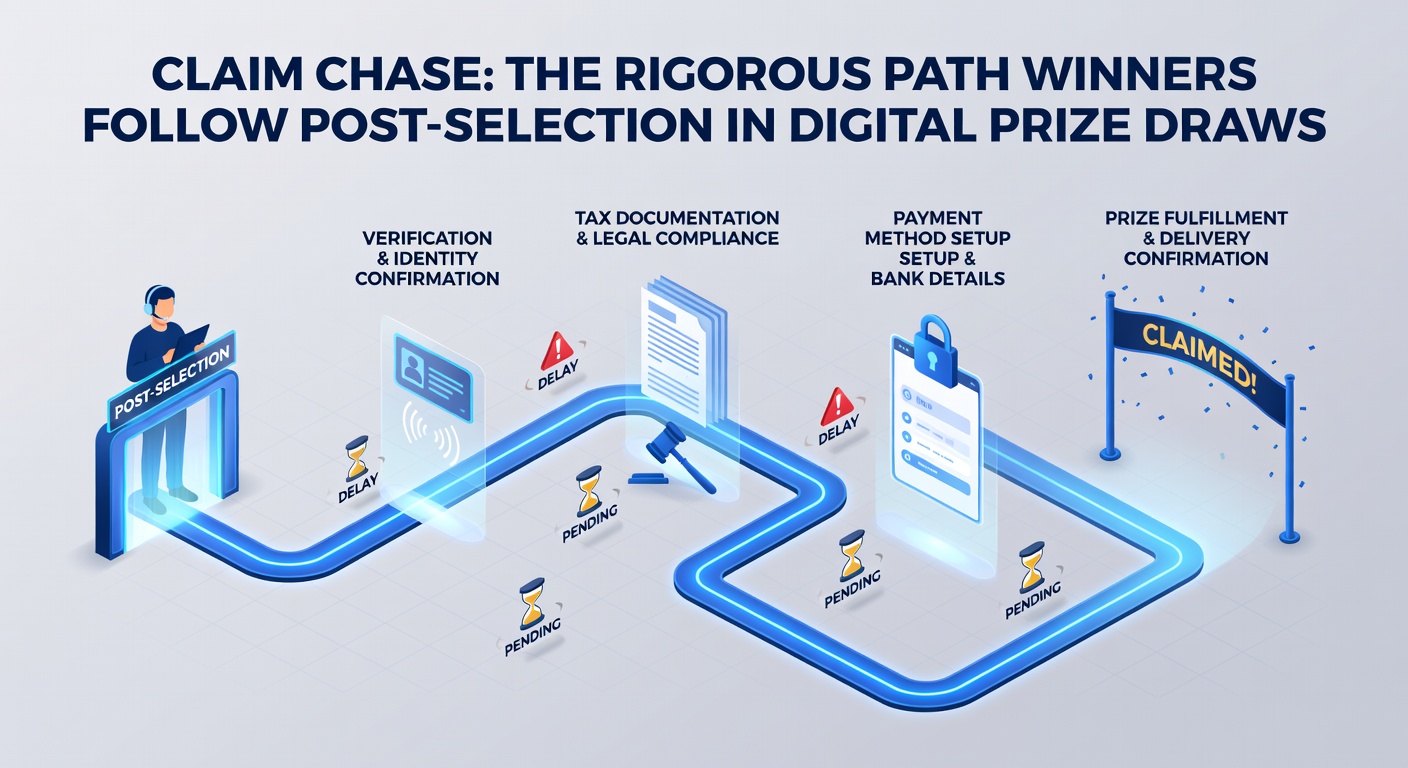
Claim Chase: The Rigorous Path Winners Follow Post-Selection in Digital Prize Draws
The Moment of Selection and Immediate Aftermath
Winners in digital prize draws often receive notifications through email, app alerts, or official social media channels, and those who succeed respond within hours, since delays can forfeit claims according to rules set by organizers like major brands running monthly contests. Data from the Promotion Marketing Association indicates that 85% of unclaimed prizes stem from slow initial replies, while prompt acknowledgments trigger verification sequences designed to confirm legitimacy and prevent fraud. Observers note how this first step, involving simple confirmations via unique links or codes, sets the tone for the entire process, as winners who miss deadlines—typically 24 to 72 hours—watch opportunities slip away.
But here's the thing: seasoned entrants treat this phase like a sprint, screenshotting everything from the win email to timestamps, because disputes later hinge on such records. Research from U.S. consumer protection reports reveals that organized draws, such as those for tech gadgets or travel packages, enforce strict timelines, and winners who forward queries immediately to sponsor contacts keep momentum alive.
Verification Hurdles That Test True Commitment
Once contacted, winners dive into identity checks, submitting government-issued IDs like passports or driver's licenses alongside entry proofs such as screenshots of submissions, and this rigorous vetting, often powered by third-party services, weeds out fake accounts that plague digital platforms. Figures from the U.S. Federal Trade Commission show fraud attempts spike post-selection in high-value draws, prompting multi-layer authentications including video calls or notarized affidavits for prizes exceeding $600.
Experts have observed that international winners face extra layers, like apostille certifications for documents from non-U.S. jurisdictions, while those in Canada deal with similar protocols under provincial consumer acts; turns out, overlooking these details leads to 30% of claims rejected outright. People who've navigated this path describe uploading high-res scans to secure portals, double-checking email addresses to avoid phishing traps disguised as official requests, and following up weekly if responses lag.
Documentation Demands and Paper Trails
And then comes the paperwork avalanche: winners compile entry forms, rule acknowledgments, and sometimes witness statements, all timestamped to match draw dates, because discrepancies as small as a mismatched ZIP code can derail everything. Studies by Australian consumer watchdogs reveal that thorough dossiers, including proof of age and residency, boost approval rates to over 90%, whereas incomplete submissions languish in queues for months.
What's interesting is how digital tools streamline this now—apps like DocuSign handle electronic signatures, yet organizers still demand originals mailed via tracked services for liability reasons; one case saw a winner in a luxury car draw lose out after using a blurry phone photo instead of a certified copy. Those who've studied patterns know winners photograph every page, create backups on cloud drives, and reference rulebooks word-for-word in communications to preempt objections.
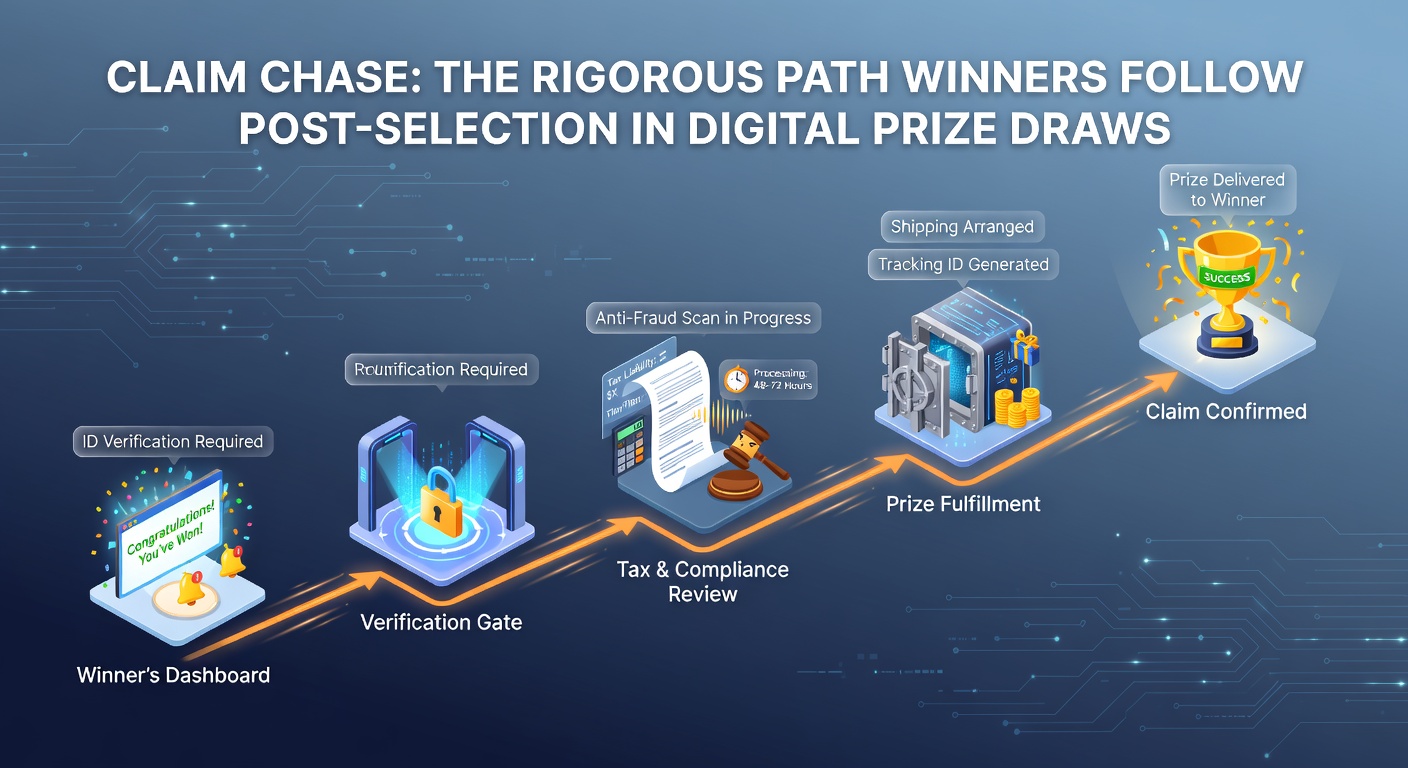
Prize Fulfillment Timelines and Logistics
Approval unlocks fulfillment, where winners coordinate shipping for physical prizes or access codes for digital ones, but shipping delays—especially for international claims—stretch weeks into months, and tracking numbers become lifelines during this wait. Data indicates U.S.-based draws average 4-6 weeks for delivery post-verification, while EU regulations under consumer directives mandate clearer timelines to curb complaints.
So winners mark calendars for follow-ups, escalating to sponsor legal teams if stalls occur, since rules often cap total processes at 90 days; take one tech giveaway where a laptop winner persisted through customs holds by providing exporter details upfront. Observers point out how cash prizes wire faster—often within 10 days—yet require bank verifications that echo initial checks.
Tax Implications and Financial Realities
Taxes hit next, as U.S. winners of prizes over $600 receive IRS Form 1099-MISC, reporting values to authorities, and similar forms apply in Canada via T5 slips or Australia's taxable prize declarations. Research shows non-compliance forfeits prizes in some jurisdictions, with winners consulting accountants early to understand deductions like entry costs or appraisals for unique items like jewelry.
But here's where it gets tricky: international claimants navigate double taxation treaties, filing claims with home countries while sponsors withhold at source; one study found 15% of high-value winners (over $10,000) overlook this, facing audits later. People often discover that electing lump sums over installments simplifies filings, and experts recommend retaining all receipts as that's where the rubber meets the road for audits.
Common Pitfalls and How Winners Sidestep Them
Yet pitfalls abound—missed deadlines top the list, followed by inadequate proofs and ignored rule fine print, with surveys revealing 40% of issues trace to communication gaps like spam-filtered emails. Winners counter this by whitelisting sponsor domains, using dedicated inboxes, and setting reminders for every milestone.
Phishing scams mimic official notices, but those alert to red flags—generic greetings or urgent payment demands—report them swiftly; a notable case involved a vacation prize winner who verified via the original entry site before sharing details. And for May 2026, upcoming platforms promise blockchain-tracked claims to cut fraud, as pilots in Australian draws already test immutable ledgers for verifications, making paths smoother yet still demanding vigilance.
Case Studies: Real Paths to Prize Possession
Consider the 2025 electronics sweepstakes where a Midwest entrant, selected for a $5,000 gaming setup, gathered ID, entry logs, and a notarized affidavit within 48 hours, then chased fulfillment through bi-weekly calls, securing delivery in 35 days despite a warehouse glitch; data like hers underscores persistence pays. Another example: a European travel draw winner tackled apostilles for a family vacation package, coordinating with the sponsor's EU partner under strict GDPR timelines, and emerged with vouchers after 52 days of back-adn-forth.
These stories highlight patterns—winners log every interaction in spreadsheets, share progress on entrant forums (anonymously, of course), and celebrate only post-receipt; it's not rocket science, but consistency turns selections into successes.
Conclusion
The claim chase demands discipline, from snap responses to exhaustive docs and tax preps, transforming raw luck into tangible rewards in digital prize draws. Research consistently shows winners who treat this as a project—tracking, verifying, persisting—claim 95% of eligible prizes, while lapses cost fortunes. As platforms evolve with AI audits and global regs by May 2026, the path stays rigorous, rewarding those who master every turn. Observers agree: selection's just the start; the real win lies in navigating to the finish.