Cross-Platform Data Sharing Effects on Eligibility Checks During Prize Draw Registrations
Rafael Walter · Jun 7, 2026
Cross-Platform Data Sharing Effects on Eligibility Checks During Prize Draw Registrations
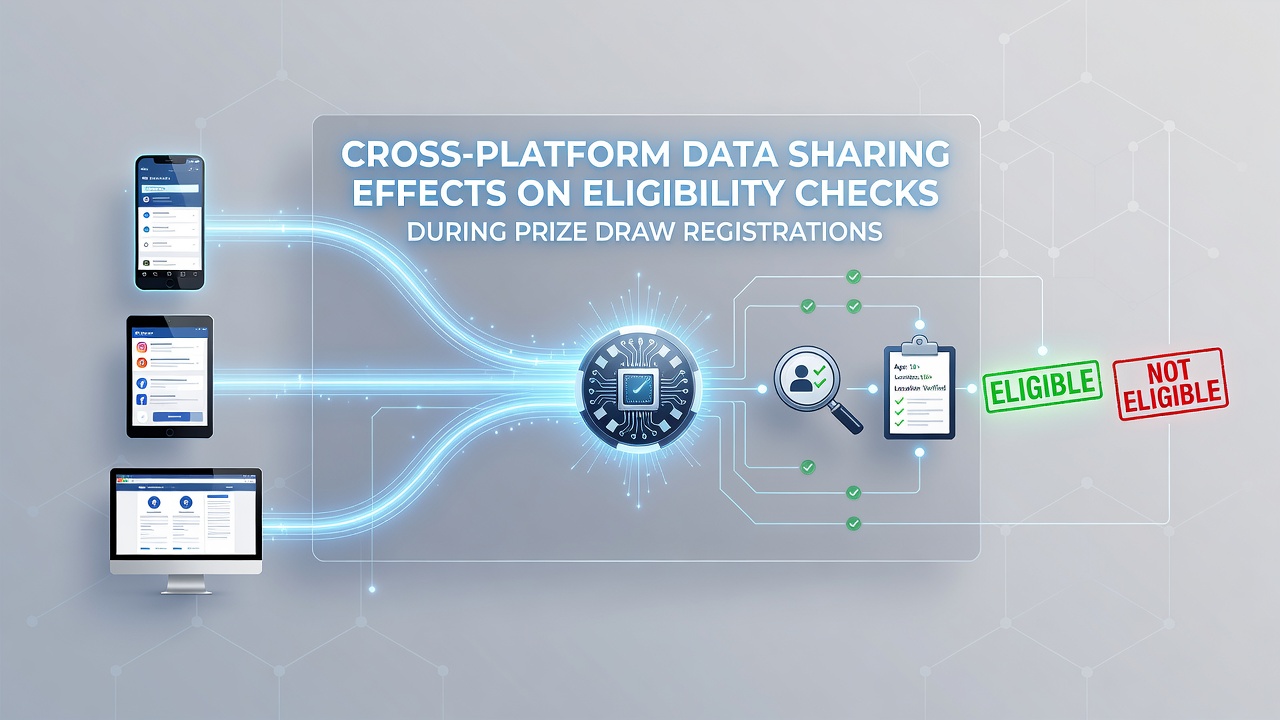
Observers note that cross-platform data sharing has become a standard practice in digital prize promotions, where operators exchange user information across websites, mobile apps, and partner networks to verify participant eligibility. This approach allows systems to cross-reference details such as names, addresses, email addresses, and device identifiers in real time, which reduces duplicate entries while confirming compliance with rules like age restrictions and geographic limitations. Research from industry reports shows that these interconnected databases process registration data faster than isolated systems, yet the process introduces complexities when conflicting information appears across sources. For instance, a user who registers through a social media integration might have location data pulled from one platform while age verification comes from another, creating potential mismatches that trigger manual reviews.Data Integration Mechanisms in Registration Workflows
Operators typically connect their systems through application programming interfaces that pull and compare records from multiple sources during the sign-up phase. According to the Federal Trade Commission guidelines on consumer data practices, such integrations must maintain accuracy standards to avoid erroneous disqualifications, and companies that fail to reconcile discrepancies face increased scrutiny.
Studies indicate that shared datasets help flag repeat winners who might violate one-entry-per-person policies, although errors occur when outdated information lingers in secondary platforms. People who've examined these systems often discover that a single mismatched zip code can halt an otherwise valid registration until the data syncs correctly across all linked services.
Impacts on Verification Accuracy and Speed
Eligibility checks gain efficiency when platforms share hashed identifiers that confirm prior participation without exposing full personal details, yet this method sometimes delays completions if one source reports incomplete records. Data from promotion analytics reveals that shared systems cut average verification times by up to 40 percent in high-volume events, but they also elevate false positive rates when regional rules differ between participating sites.
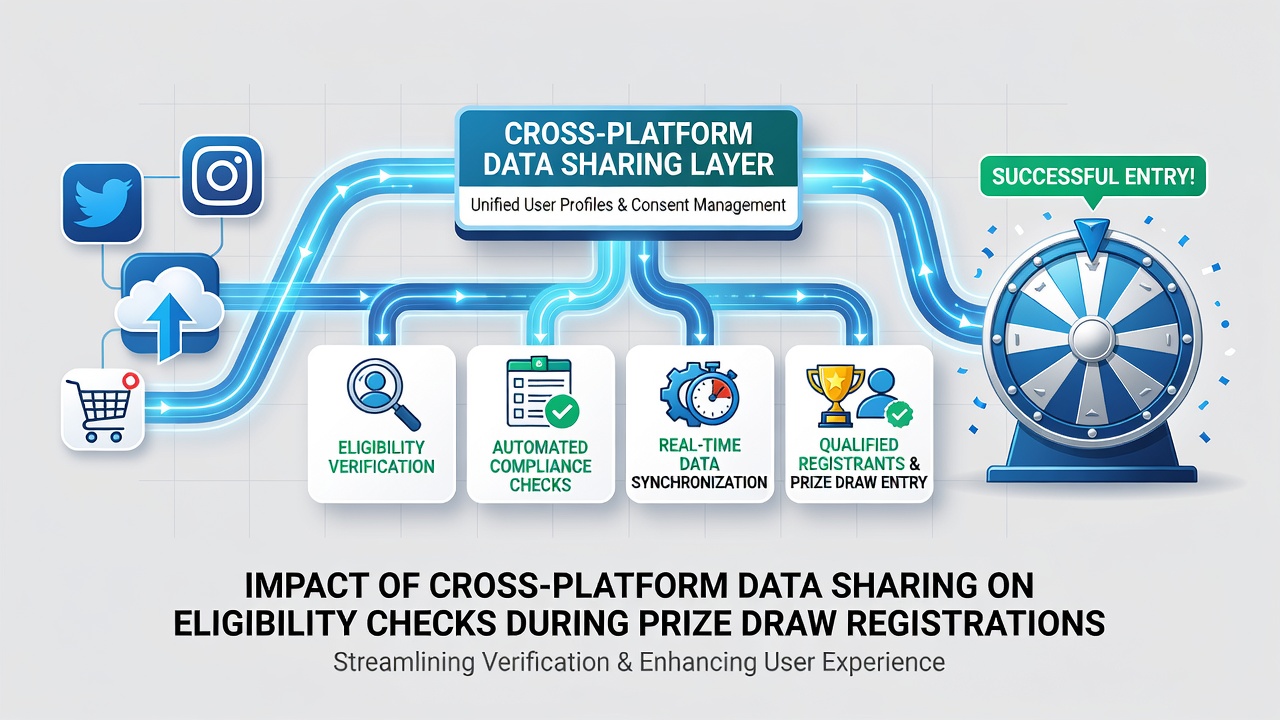
Those who've studied participant behavior note that users in June 2026 encountered more seamless experiences during major seasonal promotions because updated sharing protocols incorporated real-time consent flags, although some regions still required separate confirmations for each platform. This setup prevents ineligible entries from international users while allowing legitimate domestic participants to complete forms without repeated address prompts.
Regulatory Considerations Across Jurisdictions
Authorities in various regions enforce rules that govern how shared data supports eligibility decisions, with the Office of the Australian Information Commissioner emphasizing transparency in cross-border transfers during prize events. Observers point out that Canadian privacy regulations similarly require clear disclosure when operators combine datasets from different services, which influences how quickly registrations advance through automated filters.
One study revealed that mismatched data across platforms led to higher abandonment rates during registration sequences, whereas unified verification reduced drop-offs when participants received immediate feedback on their status. Experts have observed that these dynamics shift further when promotions span multiple countries, since rule interpretations vary and shared systems must adapt to each locale's specific requirements.
Technical Challenges in Maintaining Data Consistency
Platforms face ongoing difficulties when synchronizing records that originate from user-generated content versus verified sources, leading to occasional blocks on legitimate entries. Research indicates that implementing blockchain-based ledgers for shared eligibility logs helps mitigate these issues by creating immutable audit trails, although adoption remains limited in smaller promotions.
Figures reveal that device fingerprinting combined with shared databases improves detection of multi-account attempts, yet it raises questions about how operators handle corrections when users update their information on one site but not others. Those responsible for system maintenance often report that reconciliation processes consume significant resources during peak registration periods.
Conclusion
Cross-platform data sharing continues to reshape how eligibility checks operate in prize draw registrations by linking disparate records into cohesive verification streams. The practice delivers measurable gains in speed and duplicate prevention while requiring careful handling of inconsistencies and jurisdictional differences. As systems evolve, operators and regulators alike focus on balancing efficiency with accurate outcomes across all participating platforms.