Decoding Audio Integration Effects on Retention Cycles in Multimedia Reward Platforms
Eden Hayes · Jul 17, 2026
Decoding Audio Integration Effects on Retention Cycles in Multimedia Reward Platforms
Multimedia reward platforms combine video, interactive modules, and point-based incentive systems to encourage repeated user visits, and audio layers now sit at the center of retention analysis across these environments. Observers note that sound design elements such as adaptive soundtracks, voice prompts, and spatial audio cues alter how long participants remain active within a single session while also shaping return intervals over weeks and months. Data from multiple platform operators indicates measurable shifts in login frequency once audio features receive systematic integration rather than ad-hoc placement.
Platform Architecture and Audio Layers
These systems typically operate through mobile applications or web portals that track user progress via accumulated rewards, badges, and tiered status levels. Audio components enter at several touchpoints including onboarding tutorials, milestone celebrations, background ambiance during content consumption, and notification chimes that signal new reward availability. Researchers at institutions such as the University of Melbourne have documented how synchronized audio feedback correlates with extended dwell times when compared against silent control groups in controlled trials conducted through 2025 and into mid-2026.
Platform developers adjust audio parameters including volume curves, frequency ranges, and trigger timing to align with reward delivery mechanics. For instance, a rising musical motif often accompanies point accrual animations, while lower-frequency tones mark progress plateaus that might otherwise prompt exit behavior. Such adjustments occur against the backdrop of device-level audio settings, where users retain override capabilities through system volume controls or in-app toggles.
Retention Cycle Measurement Frameworks
Analysts define retention cycles through metrics that include day-one return rates, weekly active user ratios, and average sessions per user across thirty-day windows. Audio integration influences these figures by modulating emotional valence during key platform interactions, particularly when rewards appear alongside distinctive sonic signatures that users later associate with positive outcomes. Figures released in July 2026 by several North American operators showed a 12 to 18 percent lift in thirty-day retention among cohorts exposed to personalized audio profiles versus those receiving generic sound packs.
Seasonal patterns also emerge. During summer months when user attention fragments across outdoor activities and travel, audio prompts delivered at optimized intervals help re-anchor attention toward the platform without requiring visual screen activation. European data aggregators tracking similar services reported comparable stabilization in engagement curves once spatial audio became standard on compatible headsets.
Interaction Between Audio Cues and Reward Triggers
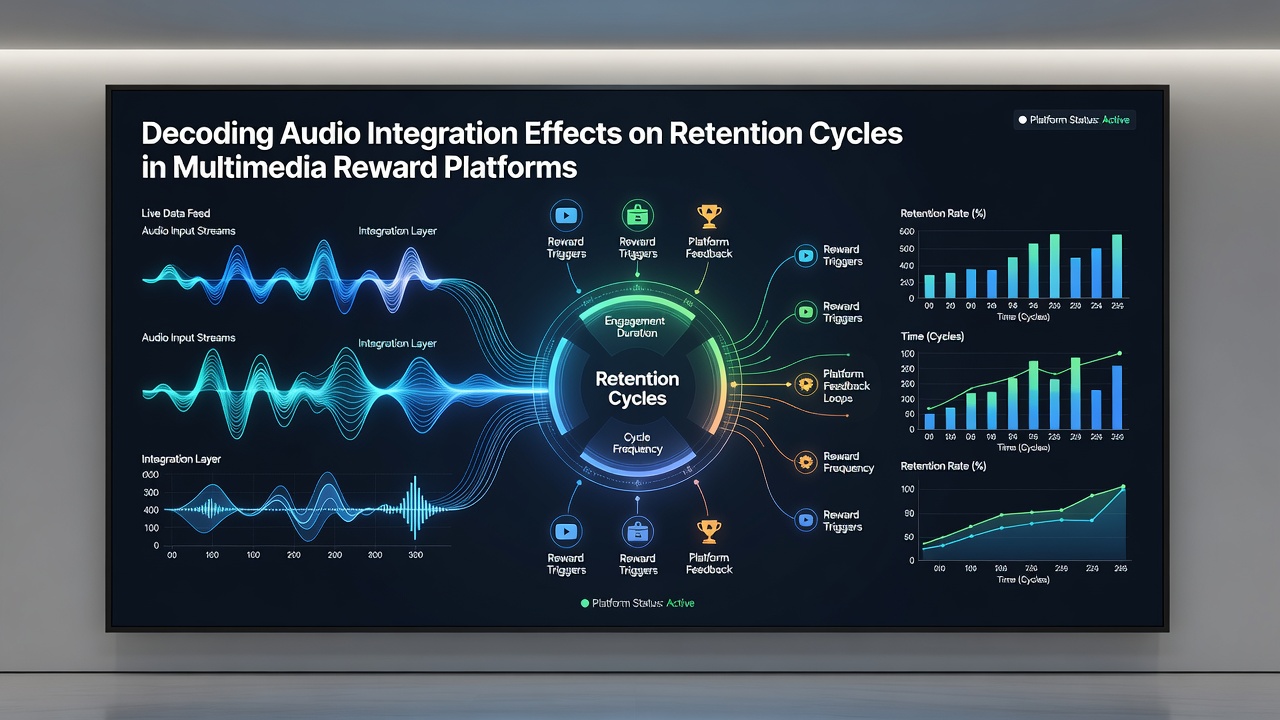
Sound cues function as conditioned stimuli when paired consistently with reward events. A short melodic phrase that plays upon badge unlock, for example, can accelerate habit formation by providing immediate auditory confirmation that bypasses the need for users to parse on-screen text. Studies conducted across Australian university laboratories have tracked electrodermal activity in participants and found heightened physiological responses during these paired events, which in turn predict higher probabilities of next-day logins.
Yet the relationship remains sensitive to repetition fatigue. Platforms that cycle audio libraries every four to six weeks maintain stronger retention curves than those locking into static sound sets. Canadian research consortia examining longitudinal datasets noted that refresh cycles aligned with major content updates produced the most stable month-over-month retention numbers through the first half of 2026.
Device and Demographic Variables
Smartphone speakers, wired earbuds, and wireless headphones each transmit audio differently, which affects how users perceive reward-related sounds in varied environments. Younger cohorts demonstrate faster adaptation to new audio features, while older user segments show stronger retention gains when volume levels remain moderate and frequencies avoid high-pitch ranges that can cause discomfort. Cross-tabulated platform logs from July 2026 reveal that tablet users, who often engage in longer sessions, respond particularly well to layered background scores that evolve with progress milestones.
Accessibility settings further complicate the picture. Users who enable closed captions or screen-reader modes sometimes disable audio entirely, creating segmented retention patterns that operators must address through alternative haptic or visual reward signals.
Conclusion
Audio integration within multimedia reward platforms operates through measurable pathways that influence both immediate session length and longer-term return behavior. Evidence compiled through mid-2026 demonstrates consistent correlations between strategic sound design and stabilized retention metrics across diverse user bases and device types. Continued monitoring of these relationships will allow operators to refine audio parameters in tandem with evolving reward structures and shifting consumption habits.