Device Preferences Shaping Behavior in Chance-Based Reward Platforms Across Different Age Groups
Rafael Walter · May 31, 2026
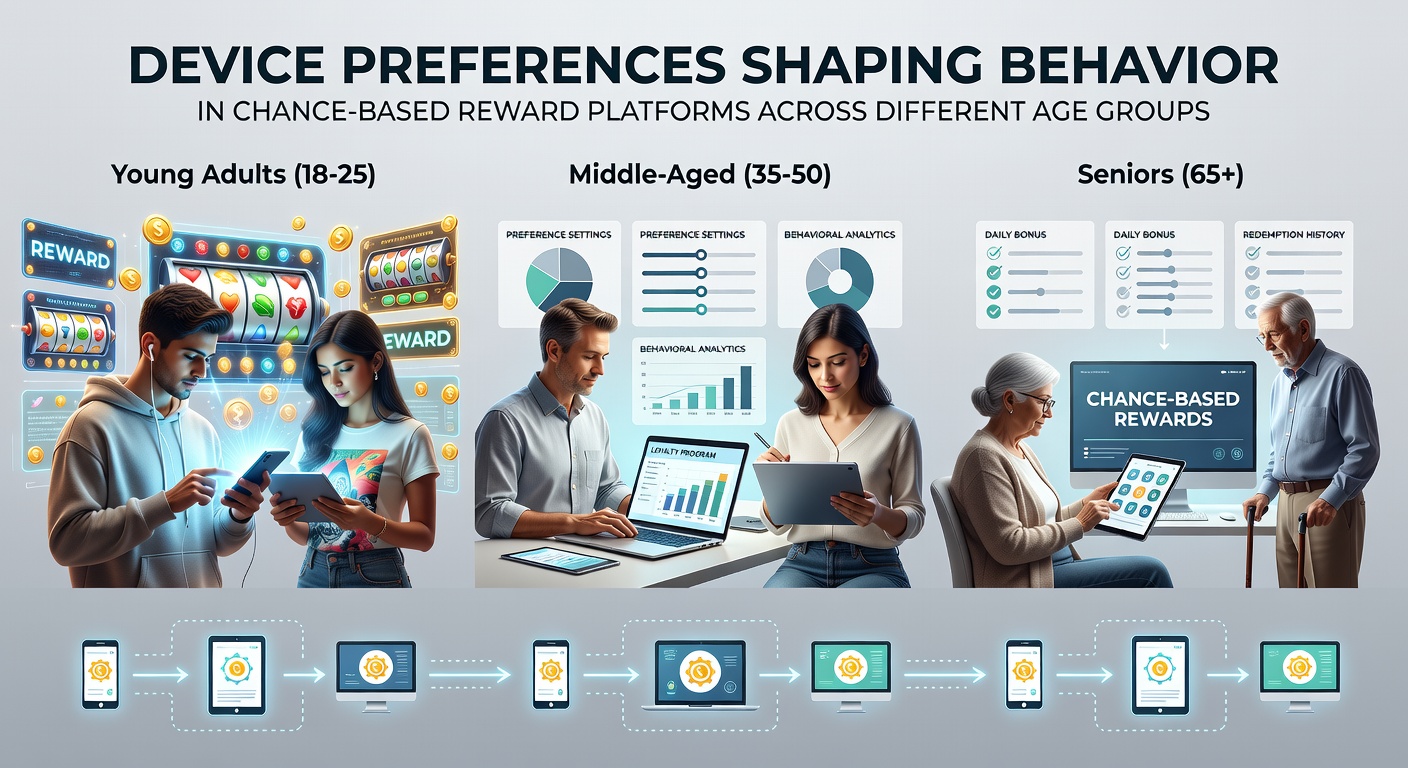
Device Preferences Shaping Behavior in Chance-Based Reward Platforms Across Different Age Groups
Device choices continue to influence how participants interact with chance-based reward platforms, and research indicates these patterns vary significantly by age. Data from multiple studies reveal that younger users lean toward mobile devices for quick entries, while older groups show stronger engagement through desktop systems that allow detailed form completion. According to reports from the Pew Research Center, mobile access now accounts for over 70 percent of digital interactions among adults under 35 in promotional activities tracked through 2025.
Platforms offering sweepstakes and similar reward mechanisms adapt interfaces based on these trends, and analysts note that entry completion rates shift depending on screen size and input methods. Younger participants often complete submissions in under two minutes via apps, whereas those over 55 spend additional time reviewing terms on larger displays. This difference emerges consistently in seasonal campaigns where mobile notifications drive initial interest but desktop sessions handle final verifications.
Mobile Usage Patterns in Younger Age Groups
Individuals aged 18 to 34 demonstrate high reliance on smartphones for accessing reward platforms, and figures from industry tracking show they initiate 65 percent of entries through dedicated mobile applications. Push notifications prompt immediate responses, which leads to higher frequency of daily participations compared to other devices. Research indicates that touch-based interfaces encourage spontaneous entries during commutes or breaks, creating distinct behavioral rhythms that differ from scheduled desktop logins.
Case examples from platform operators highlight how this group navigates multiple contests in single sessions, and data collected through May 2026 confirm a 22 percent increase in mobile-driven entries during evening hours. App features such as saved profiles and one-tap submissions streamline the process, reducing abandonment rates that appear more frequently on smaller screens without optimization.
Desktop Engagement Among Older Participants
Users aged 55 and above prefer desktop computers for interactions with chance-based platforms, and studies reveal they account for nearly 60 percent of entries completed on these systems. Larger screens facilitate careful reading of rules and prize details, which correlates with longer session durations but fewer overall submissions per week. Observers note that keyboard inputs support precise data entry, particularly when forms require addresses or account verifications that benefit from expanded views.
Platforms report that this demographic often returns to desktop sessions after initial mobile discovery, and evidence from longitudinal tracking suggests desktop users maintain higher completion percentages once started. In recurring promotions running into 2026, desktop traffic peaks during daytime hours when participants sit at home offices or shared computers.
Tablet Roles Across Midlife Demographics
Those between 35 and 54 incorporate tablets at moderate rates, with data showing these devices handle about 18 percent of total platform activity in this bracket. Tablets bridge mobile convenience and desktop functionality, allowing users to browse entries while watching television or during travel. Research from Statistics Canada indicates tablet ownership remains steady in this group, supporting hybrid behaviors where sessions begin on one device and finish on another.
Platform analytics reveal that tablet users exhibit balanced entry volumes, avoiding the rapid bursts seen on phones yet exceeding desktop frequency in casual browsing scenarios. Seasonal events in spring 2026 demonstrated how tablet-optimized layouts increased participation by accommodating both portrait and landscape orientations without disrupting flow.
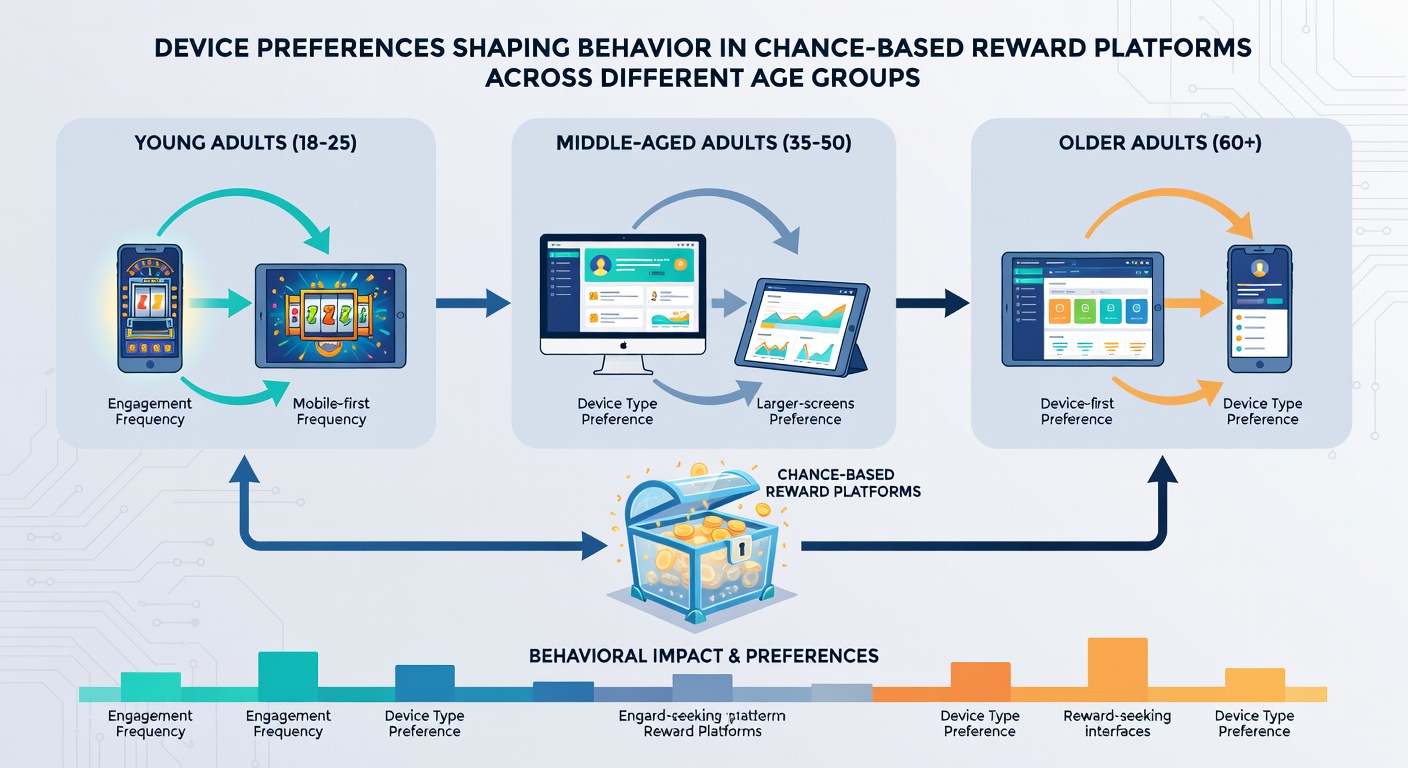
Behavioral Impacts on Entry Frequency and Timing
Device selection directly affects how often and when users submit entries, and aggregated platform data illustrate clear divergences. Mobile users across younger cohorts log more attempts per day, often triggered by alerts, while desktop sessions among older groups cluster around specific times like early mornings. Evidence suggests cross-device continuity remains limited, with only 30 percent of participants switching mid-process according to recent industry reports.
Time-of-day patterns further differentiate groups, and researchers observe that evening mobile activity spikes among those under 45 whereas afternoon desktop use dominates later age ranges. These rhythms influence overall success metrics, as platforms adjust notification schedules and interface priorities to match observed preferences without altering core reward structures.
Platform Adaptations and Data Trends Through 2026
Operators refine designs based on device analytics, and updates implemented by May 2026 reflect increased support for responsive elements that maintain functionality across phones, tablets, and computers. Figures indicate that optimized mobile versions now reduce load times by 40 percent on average, boosting retention in younger segments while desktop enhancements focus on expanded rule displays for clarity.
Comparative studies across regions show consistent age-based divides, and data from academic sources confirm these patterns hold in both North American and European markets. Platforms continue monitoring shifts as new hardware emerges, ensuring accessibility remains aligned with user habits rather than imposing uniform experiences.
Conclusion
Device preferences shape distinct participation behaviors in chance-based reward platforms, with variations tied closely to age demographics. Mobile dominance among younger users drives frequent, notification-led entries, while desktop reliance in older groups supports thorough reviews and sustained sessions. Tablet integration provides transitional options for midlife participants, and ongoing data collection through 2026 highlights the need for flexible platform features. These patterns emerge from consistent tracking across multiple sources, revealing how hardware choices influence timing, frequency, and completion without dictating outcomes.