How Platform Policy Updates Trigger Behavioral Adaptations in Chance-Based Reward Ecosystems
Iris Wolf · Jun 24, 2026
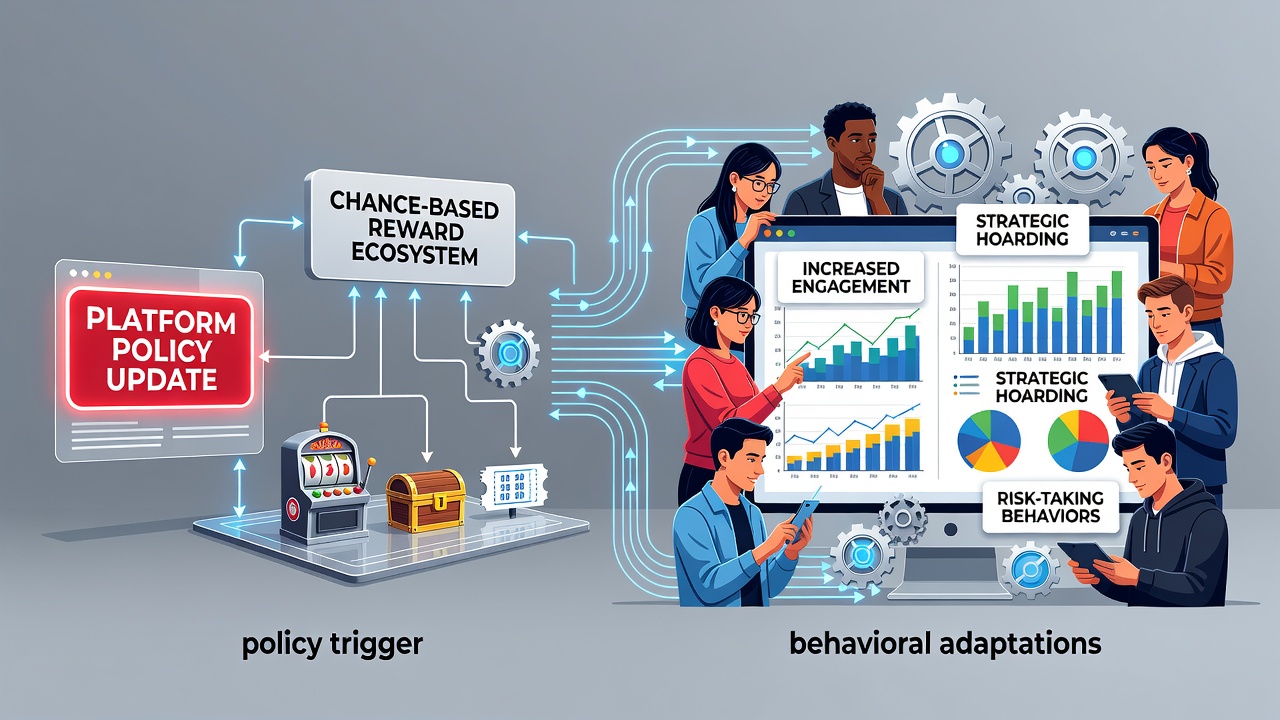
How Platform Policy Updates Trigger Behavioral Adaptations in Chance-Based Reward Ecosystems
Platform operators managing chance-based reward systems regularly revise their terms, eligibility criteria, and operational rules, and these revisions prompt measurable shifts in how participants engage with random selection processes. Researchers tracking user activity across multiple platforms have documented patterns where individuals adjust their entry frequency, device choices, and timing strategies in response to new restrictions or disclosure requirements. Policy modifications often target transparency around odds calculation or impose stricter age and location verification steps. When platforms introduce mandatory identity checks in early 2025, data logs revealed a temporary dip in overall participation volumes followed by a rebound among users who completed verification through mobile apps rather than desktop browsers. Observers note that those who studied this know the adaptations cluster around simplified access points once initial hurdles are cleared.Key Drivers of Policy Changes and Initial User Responses
Regulatory bodies in various regions have pushed for clearer communication of reward probabilities, and platform teams respond by updating interface designs and backend algorithms. The Australian Competition and Consumer Commission published guidance in 2024 that encouraged standardized probability displays across digital reward offerings, leading several operators to standardize their notification formats by mid-year. Participants subsequently concentrated their activity during peak evening hours when updated interfaces loaded faster on familiar devices. In June 2026 additional platforms rolled out enhanced cross-border eligibility filters to align with evolving international data-sharing agreements. Activity metrics from that period showed users migrating toward accounts registered in jurisdictions with fewer verification layers, while others reduced the number of simultaneous entries to avoid triggering automated flags. Those who've studied this know the shift occurred within days of the announcement rather than weeks, indicating rapid information sharing through community forums and messaging groups.Longer-Term Behavioral Patterns Across Ecosystems
Over multiple update cycles, consistent adaptations emerge in how people structure their participation sequences. Entry clustering around policy announcement dates gives way to steadier patterns once users map the new constraints onto their routines. Studies from academic teams at Canadian universities have tracked these adjustments in longitudinal datasets, revealing that mobile-first users maintain higher completion rates when policies emphasize app-based authentication over web forms.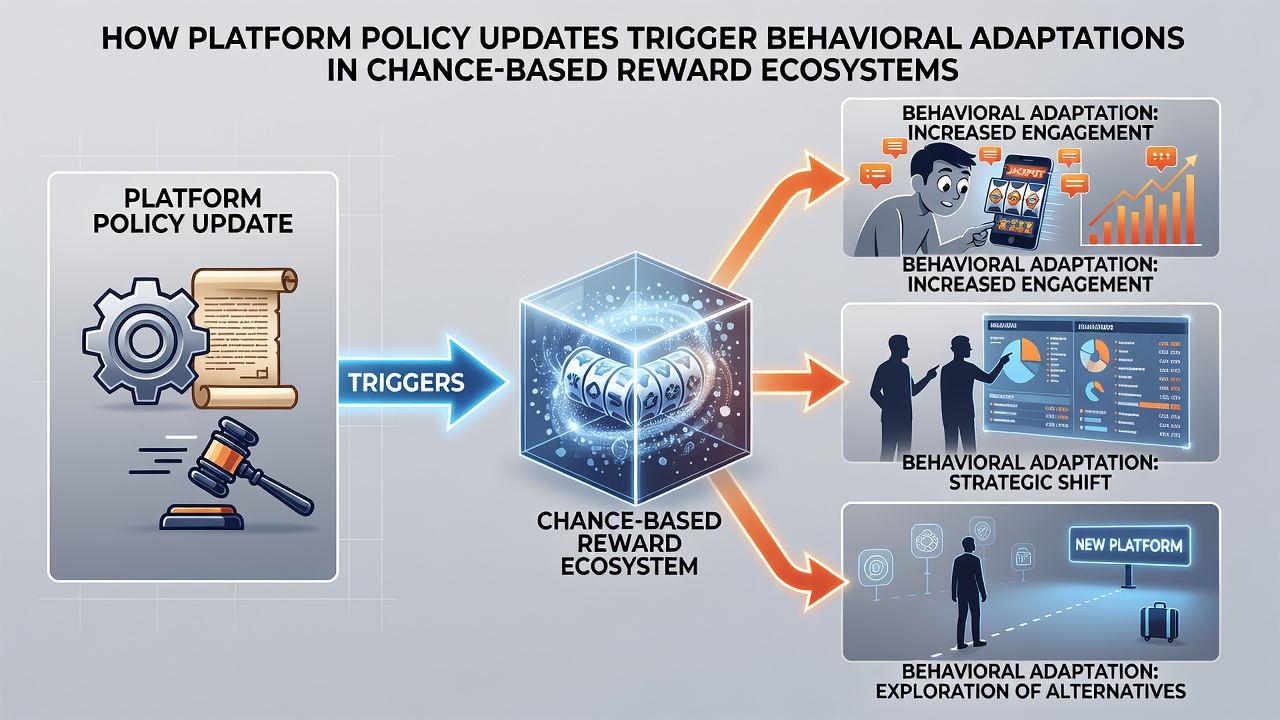 Device preference data collected after one major rule revision indicated a measurable uptick in tablet usage among older demographic segments, while younger cohorts consolidated activity onto single smartphones with stored credentials. The European Commission’s digital services documentation from 2025 highlighted similar cross-device movements in its compliance reviews, noting that streamlined consent flows reduced friction for repeat participants who had already adapted their login habits.