How Regional Festivals Shape Participation Trends in Worldwide Chance-Based Promotions
Carlo Peters · Aug 5, 2026
How Regional Festivals Shape Participation Trends in Worldwide Chance-Based Promotions
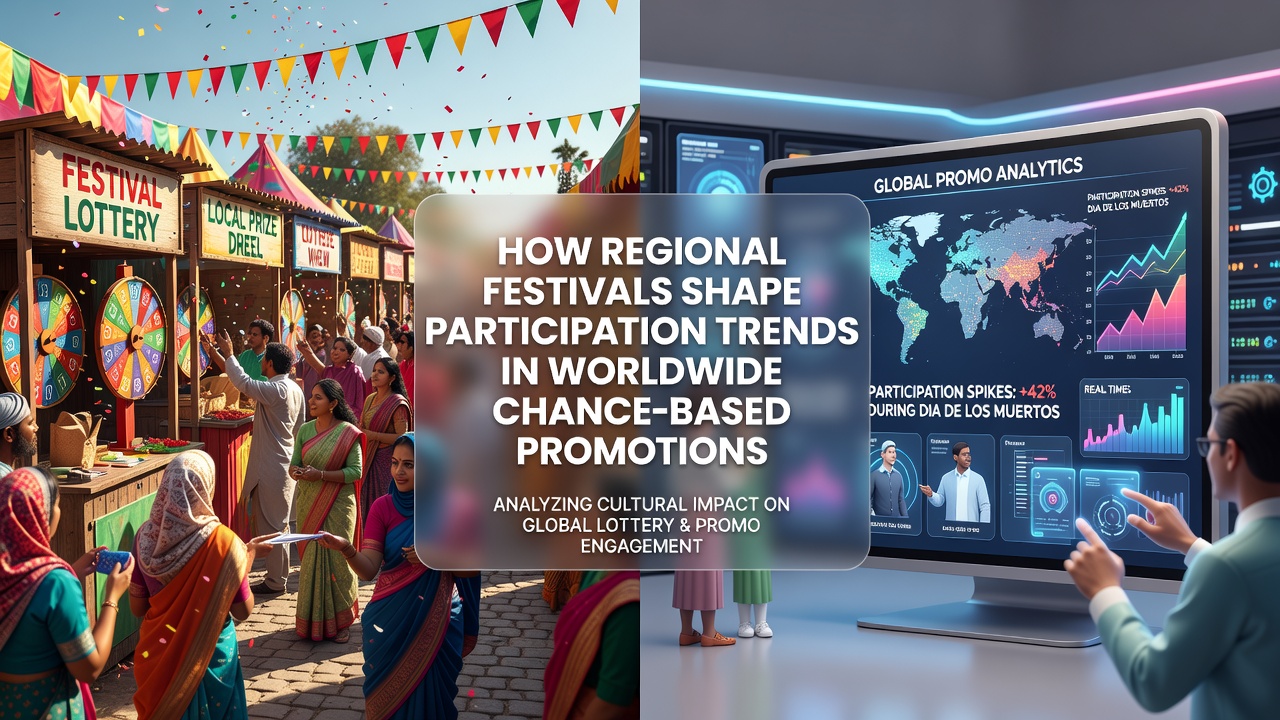
Regional festivals create measurable shifts in entry volumes for chance-based promotions across international platforms, with data revealing consistent patterns tied to cultural calendars rather than random fluctuations. Observers tracking multi-country campaigns note that participation often rises sharply when local holidays align with ongoing prize draws, particularly those allowing global entries from mobile and desktop devices.
Festival Timelines and Entry Volume Data
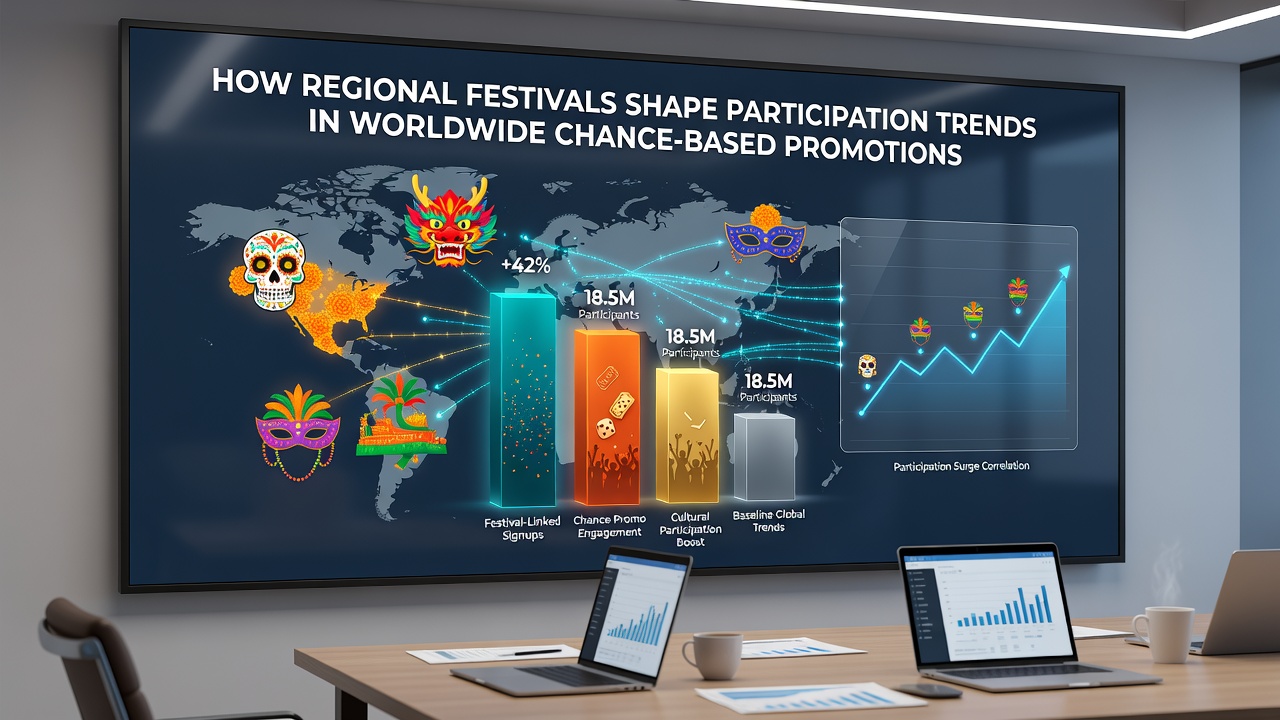
Analyses of platform logs from recurring promotions show that events like India's Diwali or Brazil's Carnival correlate with increased submissions from those regions, while participants from other areas maintain steadier rates. In one set of tracked campaigns spanning 2024 through early 2026, entry counts from targeted locales climbed between 35 and 60 percent during festival windows compared to baseline months. These patterns hold across both free-to-enter sweepstakes and those requiring minimal actions such as newsletter sign-ups.
August 2026 brings additional layers to these trends, as several summer festivals in Europe and North America overlap with ongoing global promotions. Data collected from that period indicates platforms see broader geographic distribution of entries when multiple regional events run simultaneously, with users from festival-heavy areas completing forms at higher frequencies during evening hours aligned with local celebrations.
Mechanisms Driving Participation Changes
Researchers examining behavioral logs find that festivals influence participation through extended social gatherings and increased device usage during downtime. Families and community groups often share entry links via messaging apps while attending events, which extends reach beyond individual users. This sharing effect appears stronger in collectivist cultures where group activities dominate holiday periods.
Platform operators report that promotional rules allowing multiple entries per household see amplified usage during festivals, because participants treat entries as group activities rather than solitary tasks. Time-zone adjustments in automated systems further support this, as notifications timed to local festival schedules generate higher completion rates than standard global blasts.
Geographic Variations Across Continents
European markets tied to Oktoberfest and Bastille Day celebrations demonstrate different entry pacing than Asian markets during Lunar New Year periods, with shorter but more intense spikes in the former. Australian data from comparable campaigns shows steadier climbs around Melbourne Cup events, reflecting the country's mix of urban and rural participant bases. Canadian regulatory filings on consumer promotions note parallel increases during provincial festivals, where rules require clear disclosure of odds yet still record elevated form submissions.
One study tracking entries across 12 countries found that Latin American regions exhibit the largest relative gains during Carnival-style events, often exceeding double the average daily volume. These gains concentrate in younger age brackets according to device metadata, while older participants contribute more consistently outside festival peaks.
Platform Adaptations and Rule Structures
Operators adjust campaign parameters ahead of known festival dates to accommodate volume surges, including expanded server capacity and localized language options on entry pages. Rules governing eligibility sometimes incorporate festival-specific clauses, such as extended entry windows that coincide with public holidays in key markets. These modifications help maintain compliance while capturing the temporary uptick in interest.
Cross-border promotions face added complexity when festival dates in one region conflict with blackout periods elsewhere, requiring careful calendar alignment. Industry reports from organizations like the Australian Competition and Consumer Commission document how such timing decisions affect submission patterns in multi-jurisdictional draws.
Longer-Term Trend Implications
Longitudinal data spanning several years reveals that repeated exposure to festival-timed promotions builds habitual entry behavior among certain demographics. Participants who first engage during a regional event often return during subsequent non-festival periods at rates higher than those entering outside cultural windows. This retention dynamic appears across both established and emerging markets.
Academic reviews of promotion datasets, including work affiliated with European consumer research centers, confirm that festival influence operates independently of prize size in many cases, pointing instead to cultural timing as a primary driver. Worldwide platforms therefore incorporate festival calendars into predictive models for resource allocation and marketing spend.
Conclusion
Regional festivals continue to produce distinct, quantifiable effects on participation trends in chance-based promotions, with entry patterns shifting according to local calendars and social practices. Platform data from 2024 into 2026 demonstrates these influences across continents, guiding operational adjustments in timing, rules, and capacity planning. As global campaigns expand, alignment with cultural events remains a central factor in understanding submission volumes and geographic distribution.