How Third-Party Verification Tools Reshape Integrity Protocols in Multi-Platform Reward Distributions
Rafael Walter · Aug 16, 2026
How Third-Party Verification Tools Reshape Integrity Protocols in Multi-Platform Reward Distributions
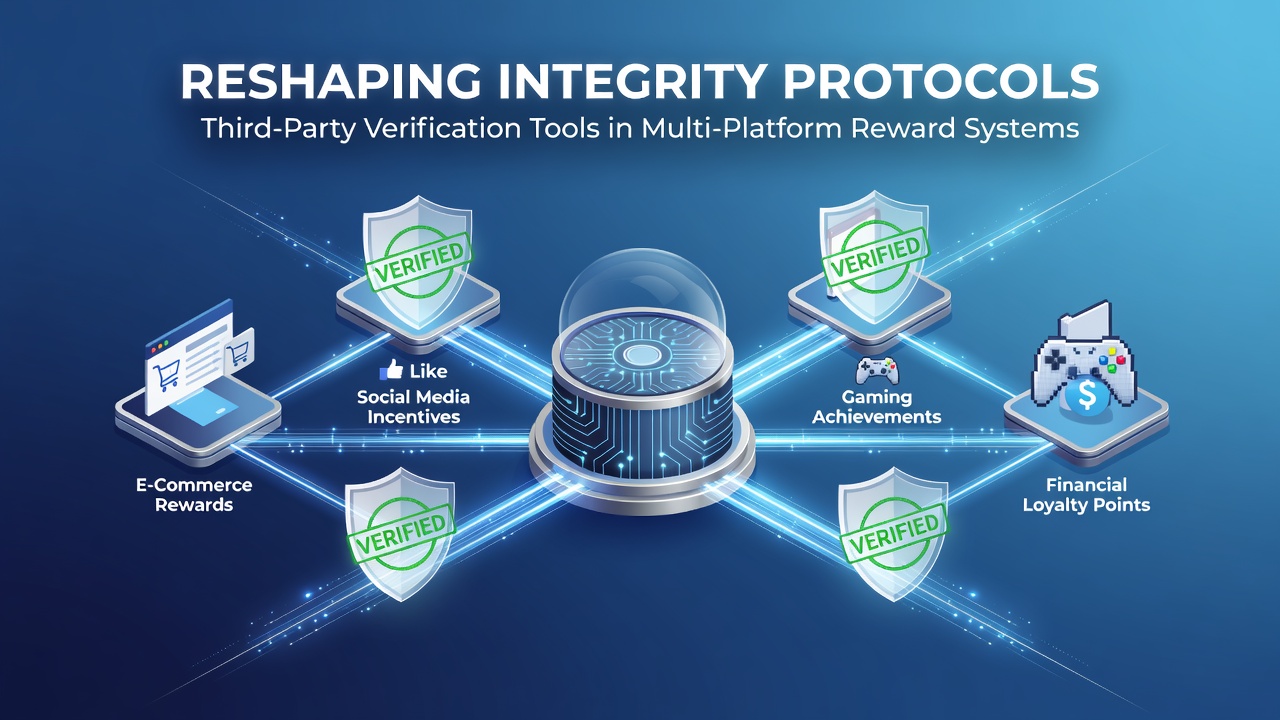
Third-party verification tools have taken center stage in reward distribution systems that span websites, mobile applications, and social platforms, and data from industry reports show these services now handle identity confirmation, eligibility screening, and fraud detection for millions of transactions each month. Companies that once relied on internal checks have shifted toward external providers because cross-platform reward programs require consistent validation that single organizations struggle to maintain at scale. Observers note that this transition accelerated after regulatory updates in several regions clarified standards for consumer data handling during prize and loyalty payouts.
Core Functions of Verification Services in Reward Ecosystems
Verification platforms perform real-time checks on user identity, location, and prior participation history while reward programs distribute incentives across multiple channels simultaneously. These tools connect with government databases, credit bureaus, and device fingerprinting systems to confirm that participants meet age, residency, and account-uniqueness requirements before any reward is issued. Researchers at academic institutions have documented how such integrations reduce duplicate entries in campaigns that run on both web portals and smartphone apps, and figures from 2025 deployments indicate error rates in eligibility decisions dropped by measurable margins once third-party layers were added.
Multi-platform reward distributions often involve points, gift cards, or merchandise that transfer between services, and verification providers maintain synchronized ledgers that prevent the same user from claiming identical rewards under different profiles. The process typically begins when a participant submits basic details, after which the external service queries multiple data sources and returns a pass or flag within seconds. This workflow supports programs that operate in August 2026 under updated compliance frameworks in North America and Europe, where authorities require documented audit trails for every distributed item.
Changes to Integrity Protocols Across Platforms
Traditional in-house protocols relied on manual reviews and basic email confirmation, yet those approaches proved insufficient once reward programs expanded to include social media integrations and partner applications. Third-party tools introduced standardized APIs that enforce uniform rules regardless of entry point, and program operators report that centralized verification logs now allow faster dispute resolution when participants question eligibility outcomes. Data from platform operators reveal that automated cross-checks against sanctioned lists and previous winners occur at the point of registration rather than after selection, which streamlines the overall distribution timeline.
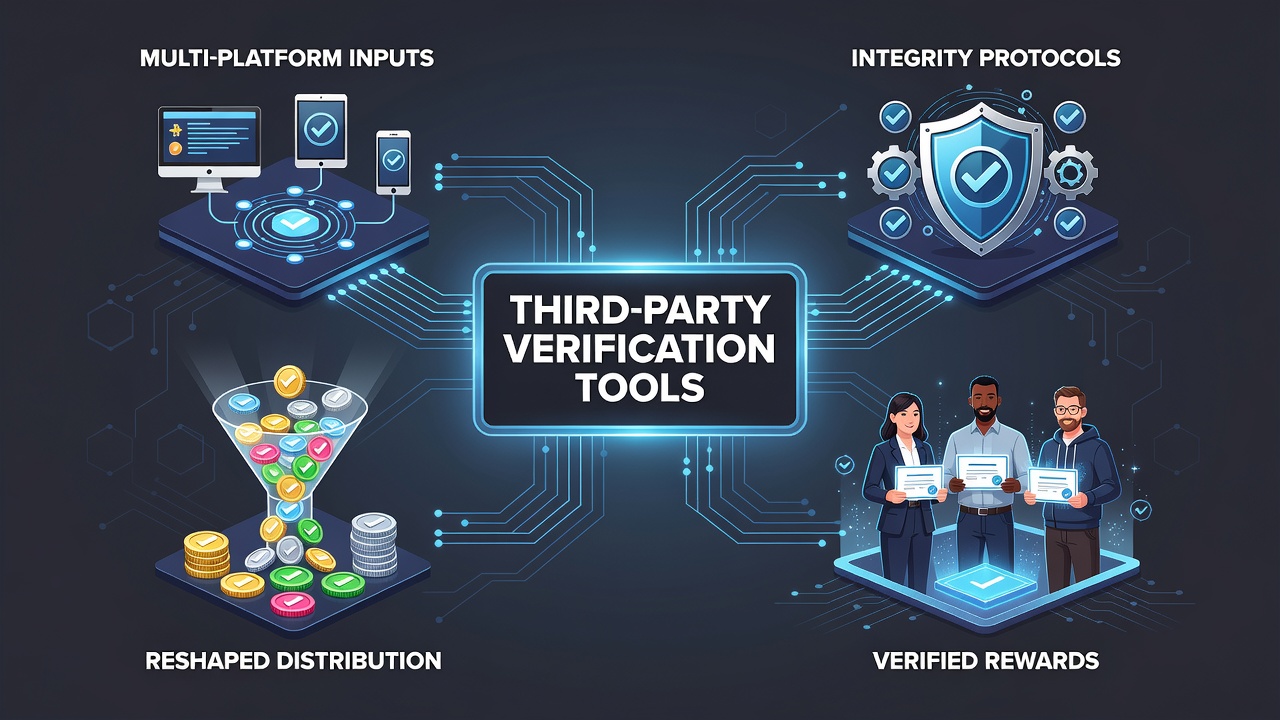
Integrity protocols have incorporated machine-learning models supplied by verification vendors to detect coordinated activity across accounts, and these models analyze behavioral signals such as device usage patterns and IP clustering without storing personal data beyond the verification window. Government agencies in Canada and Australia have issued guidance encouraging the use of accredited third-party services for consumer protection in digital reward schemes, and operators that adopted these services early recorded fewer compliance incidents during routine audits. The shift also affects how platforms share limited data sets while still satisfying privacy regulations that differ by jurisdiction.
Implementation Patterns in Ongoing Reward Programs
Many operators integrate verification at multiple stages: initial registration, reward claim, and periodic re-validation for recurring distributions. This layered approach catches changes in eligibility status that might occur between entry and payout, such as relocation to a restricted region. Industry analyses show that programs using continuous verification maintain higher participant retention because users receive clear status updates rather than unexpected disqualifications at the final stage. External providers often supply dashboards that display aggregate compliance metrics, allowing program managers to adjust rules without rebuilding internal systems.
One documented case involved a loyalty network spanning retail apps and online communities where verification tools flagged a cluster of entries sharing device signatures, and subsequent investigation confirmed coordinated activity that internal filters had missed. After implementation, the network adjusted its integrity protocols to require additional biometric confirmation for high-value rewards, and similar patterns appear in reports from European operators who aligned with data-protection standards updated in 2025. These examples illustrate how third-party systems supply both detection capabilities and the documentation needed for regulatory review.
Technical and Regulatory Considerations
Verification services must operate within frameworks set by bodies such as the Federal Trade Commission in the United States and the Office of the Australian Information Commissioner, each of which emphasizes consent management and data minimization during identity checks. Technical requirements include encrypted data transmission, short retention periods, and the ability to delete records upon participant request. Programs that distribute rewards internationally face additional mapping of regional rules, and verification providers have developed configurable modules that apply the strictest applicable standard for each user location.
Adoption rates continue to rise as more platforms connect their systems through standardized interfaces, and recent studies from research institutions indicate measurable reductions in fraudulent claims once external verification becomes mandatory. The infrastructure also supports audit requests from oversight organizations, since logs generated by third parties carry independent timestamps and cryptographic signatures that internal records alone cannot provide.
Conclusion
Third-party verification tools have become embedded in the operational backbone of multi-platform reward distributions, supplying consistent identity checks, fraud detection, and compliance documentation that single operators previously managed separately. As programs expand across devices and partner services, these external layers enforce uniform integrity rules while meeting diverse regulatory expectations. Continued development of API standards and privacy-preserving techniques will determine how verification evolves alongside new reward formats and jurisdictional requirements.