Language Localization's Influence on Engagement Levels Within Multilingual Reward Programs
Carlo Peters · Jun 19, 2026

Language Localization's Influence on Engagement Levels Within Multilingual Reward Programs
Language localization extends beyond simple translation when applied to multilingual reward programs because it adapts content, offers, and interfaces to match regional dialects, cultural references, and user expectations across various markets. Researchers have documented measurable differences in how participants interact with these programs once language elements align with their native communication patterns. Data from platform analytics indicates that localized versions often produce higher session durations and repeat visits compared to generic multilingual setups that rely on direct translations alone.
Defining Localization in Reward Program Contexts
Reward programs operating across borders incorporate localization through adjustments to terminology, currency displays, date formats, and promotional messaging that reflect local customs. Observers note that this process involves collaboration between linguists, cultural consultants, and data teams who examine user behavior patterns in each target region. European Union reports on digital accessibility highlight how such adaptations support broader participation in cross-border loyalty initiatives while meeting varying regulatory standards for consumer information presentation.
Studies from academic institutions like the University of Melbourne have tracked engagement metrics before and after localization rollouts in Asia-Pacific reward platforms. Those findings reveal that participants complete profile updates and redemption steps more frequently when prompts appear in familiar phrasing rather than standardized international versions. The distinction becomes particularly evident in regions where multiple official languages coexist, such as Canada and South Africa, where program interfaces must navigate both linguistic preferences and regional identity markers.
Measured Effects on Participation Rates
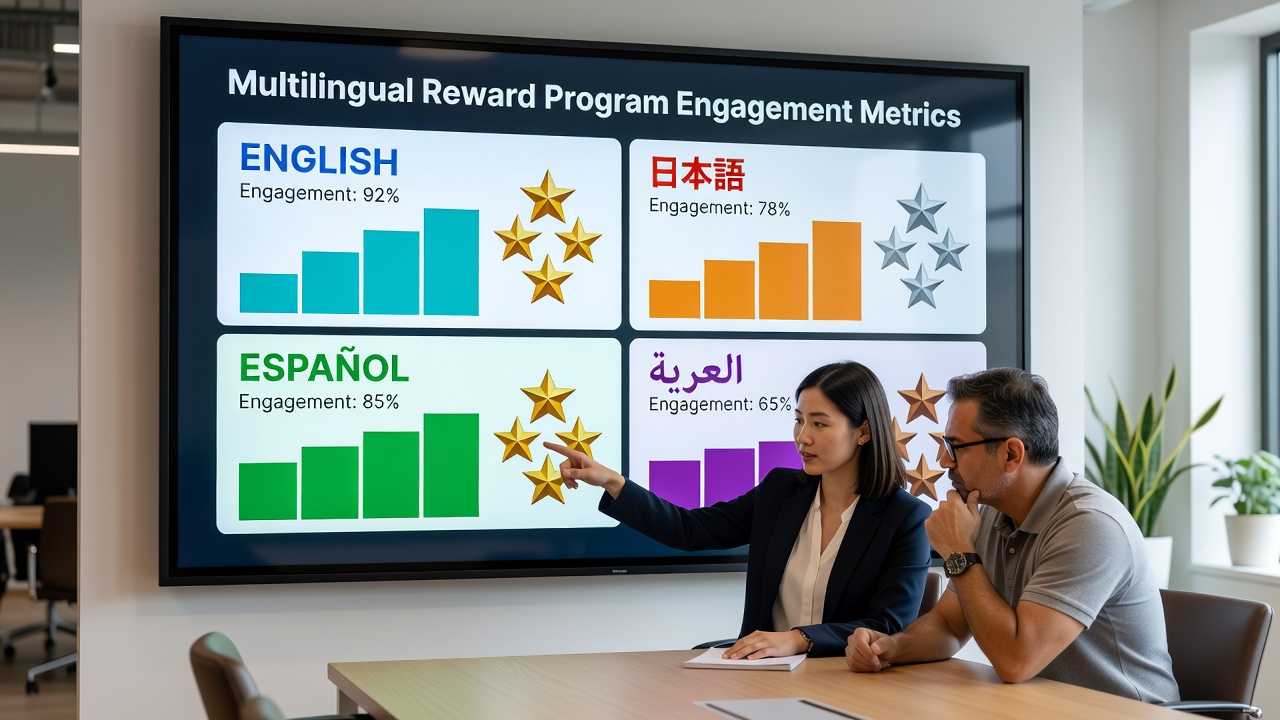
Platform operators report that localized reward programs experience shifts in entry completion rates and point accumulation patterns once language adjustments take effect. Figures from industry tracking services show increases in daily active users ranging from 18 to 34 percent in markets where full localization occurred, while partial implementations yielded smaller gains. These changes appear across age groups, though younger users demonstrate quicker adoption of localized features while older demographics show steadier retention over extended periods.
What's interesting here involves the timing of these improvements. Data collected through June 2026 indicates that engagement spikes often stabilize after an initial three-month adjustment window, during which users acclimate to updated terminology and navigation flows. Programs that maintained consistent localization updates throughout this period sustained higher interaction levels compared to those that paused after the first rollout phase.
Regional Variations and Platform Adaptations
North American programs frequently emphasize bilingual English-Spanish interfaces with region-specific reward catalogs that reference local retailers and service providers. In contrast, Southeast Asian platforms prioritize script variations and tonal language accommodations alongside mobile-first design elements. Researchers examining these differences have identified correlations between localization depth and cross-device usage consistency, particularly when notification systems and reward notifications match the same linguistic standards as the core interface.
One study revealed that participants in localized programs submitted feedback forms at higher volumes, which in turn allowed operators to refine subsequent updates. This feedback loop operates differently across markets because cultural attitudes toward direct communication influence response rates. Australian government digital economy reports note similar patterns in consumer-facing applications where localized language supports sustained program involvement over time.
Technical Implementation Considerations
Developers managing multilingual reward platforms integrate localization through content management systems that separate text strings from visual assets and functional code. This separation enables targeted updates without disrupting overall program mechanics. Teams track performance through segmented analytics that isolate language cohorts, revealing which adaptations drive measurable changes in engagement indicators such as time spent on reward browsing pages and frequency of point redemptions.
Challenges arise when dialects within a single language require additional customization layers. For instance, Latin American Spanish variants differ from European Spanish in vocabulary and promotional tone, which affects how reward descriptions resonate with users. Programs addressing these nuances through iterative testing demonstrate stronger retention curves according to longitudinal data sets compiled by research consortia.
Conclusion
Language localization influences engagement levels in multilingual reward programs through adaptations that align interface elements with user expectations across regions. Evidence from platform metrics and academic examinations shows consistent patterns where localized approaches correlate with increased participation and retention. As programs continue expanding into new markets through June 2026 and beyond, ongoing refinements based on regional data will likely shape how these systems evolve to maintain user involvement across linguistic boundaries.